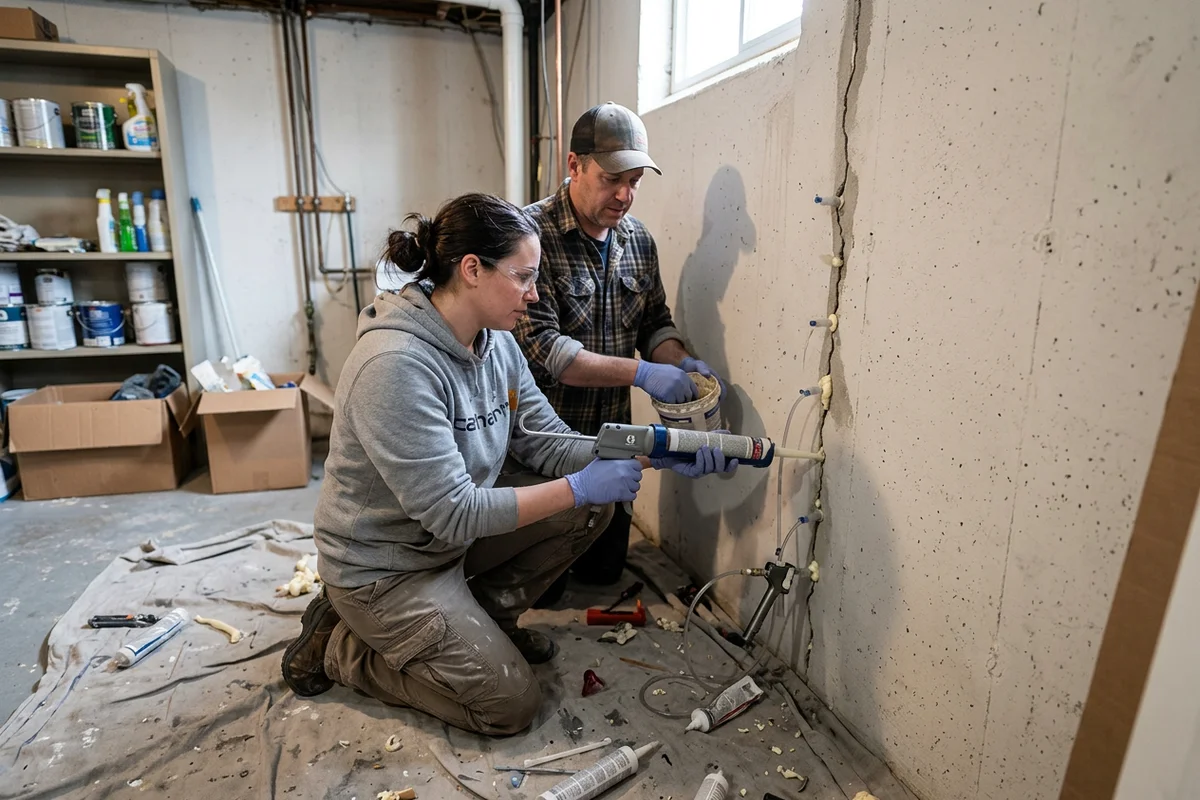
What Foundation Crack Repair Involves
Do you feel a sense of dread every time you spot a new crack creeping up your basement wall?
Dealing with a damp basement, or worse, a full basement flood in Toronto, is a frustrating experience for many homeowners and business owners. Providing reliable Foundation Crack Repair Toronto services is what we do best. The good news is that a single leaking crack in a poured foundation rarely requires a massive, yard-destroying excavation.
We inject advanced, flexible hydrophobic polyurethane resins like SikaFix right through low-pressure injection ports. This specialized material expands rapidly to seal the crack completely through the wall. Our experts take the guesswork completely out of your repair project, so you will always know when a crack is structural and requires an engineer.
Sometimes wall-wide seepage means full waterproofing is a smarter call. Most Toronto houses built from the 1950s onward sit on a poured concrete foundation. Local Halton Till clay soils cause immense frost heave pressure during freezing winters.
Poured walls almost always develop a few cracks as the concrete cures, shrinks, and fights against that shifting clay. You will typically see water enter through three specific weak points:
- The hairline shrinkage crack: This is the absolute most common issue you will encounter.
- A tie rod leak: This happens where the steel rods that held the concrete forms rust and let water follow them right inside.
- A cold joint: This is another common culprit, which occurs exactly where two separate concrete pours meet.
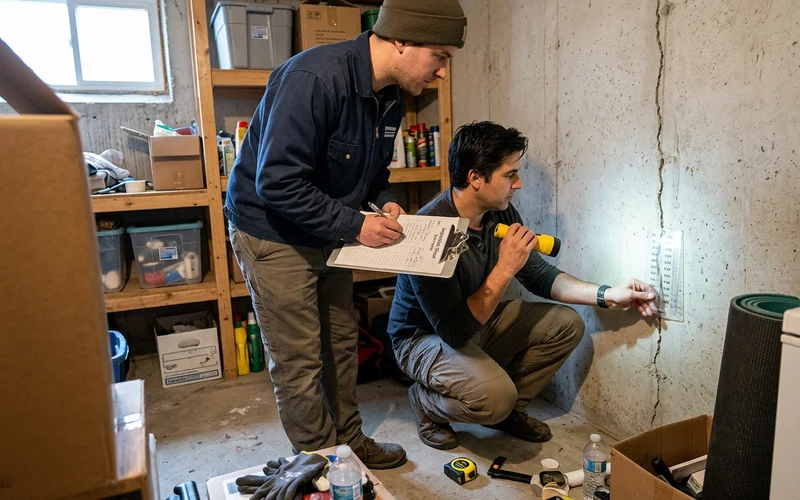
Hairline vs Structural Cracks: The 3-Question Test Before You Panic
Most cracks are simply not a sign that your building is failing. You can run through these three simple questions before you start to worry.
- How wide is it, and is it even? Hairline to about 6 mm, and the exact same width from top to bottom, usually indicates normal shrinkage. A crack that is wider at one end, or wider than 6 mm, deserves a much closer look.
- Are the two sides level with each other? Check if one side of the crack is pushed in further than the other. This means the wall has moved, which is called displacement and requires a structural engineer.
- Is it growing, and is anything else changing? Mark the ends with a pencil and the current date. Watch for sticky doors or sloping floors upstairs, as lengthening over the months means you absolutely need a structural assessment.
If all three answers point to a stable hairline crack that leaks, injection is usually the perfect fix. Any answer that raises a red flag means you need professional guidance.
We recommend an engineer first for any signs of structural movement. The engineer might suggest specialized reinforcement like Rhino carbon fibre staples before any sealing happens.
These specific staples provide incredible tensile strength across the repaired crack to prevent future shifting.
Types of Crack Repair
Polyurethane injection for leaks
Flexible, water-activated resin fills the entire crack from the inside face all the way to the soil side. The material reacts with moisture to form a tight, permanent gasket.
Our technicians use this as the standard repair for leaking poured concrete walls. Polyurethane stays flexible enough to handle the natural thermal movement of your home throughout the freezing and thawing seasons.
Structural epoxy for bonding
Structural epoxy bonds the two sides of a completely dry crack back together. This specialized material, such as 4121 Carbon Fiber Epoxy, cures rigid and incredibly strong.
Our approach uses epoxy where the main goal is restoring structural strength rather than just stopping water. This method effectively welds the broken concrete back into a single solid piece.
Parging and sealant
Fixing exterior surface cracking and failed cement coatings requires a different approach. Parging and sealant ($2,000-$5,000 CAD) repair the outside face of the wall to block the elements.
We strongly suggest checking out our guide on basement waterproofing to understand exactly when this exterior approach makes the most sense. A smooth parge coat provides a clean look and a solid first line of defense against rain.
Block foundations
A concrete block foundation features hollow cores that will simply swallow any injected resin. This makes interior injection completely useless for this specific building style.
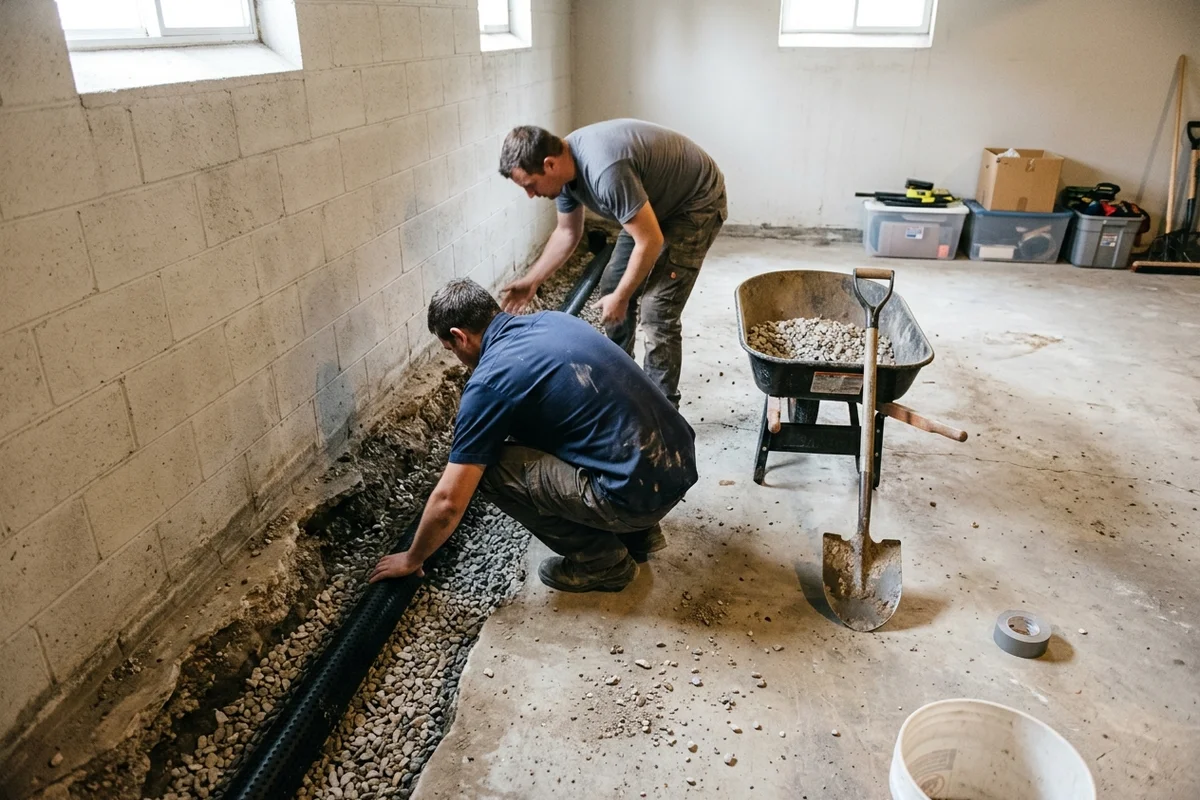
Our experts find that block walls are usually much better served by an interior drainage system or a full exterior membrane. Trapped water inside those hollow blocks needs a clear path to drain away safely.
Why Homeowners Assume Every Crack Means Digging Up the Yard
Many people panic when they spot wall damage. There are a few common myths that cause unnecessary stress.
- “Another company said we need full excavation.” Excavation gets quoted far more often than it is actually needed. Interior injection is the proven, much cheaper fix for one or two leaking cracks in a sound poured wall. We will gladly show you exactly why this works, crack by crack.
- “I’ll just fill it with hydraulic cement.” Hydraulic cement only seals the inside surface and often fails within a single season because it cannot flex. A rigid patch placed on a crack experiencing normal thermal movement will simply break right alongside the concrete. Water keeps moving through the void behind the patch and eventually comes out somewhere else.
- “If one crack leaks, the whole foundation must be bad.” This is usually not true at all. Shrinkage cracks are completely normal in poured walls. A leak through one isolated crack says a lot more about poor groundwater and bad grading than it does about your structural strength.
- “Cracks mean my house will fail an inspection.” A repaired crack with a written warranty and clear photos is a much better story for a buyer’s inspector than an unrepaired leaking one. Buyers want to see that maintenance was handled properly.
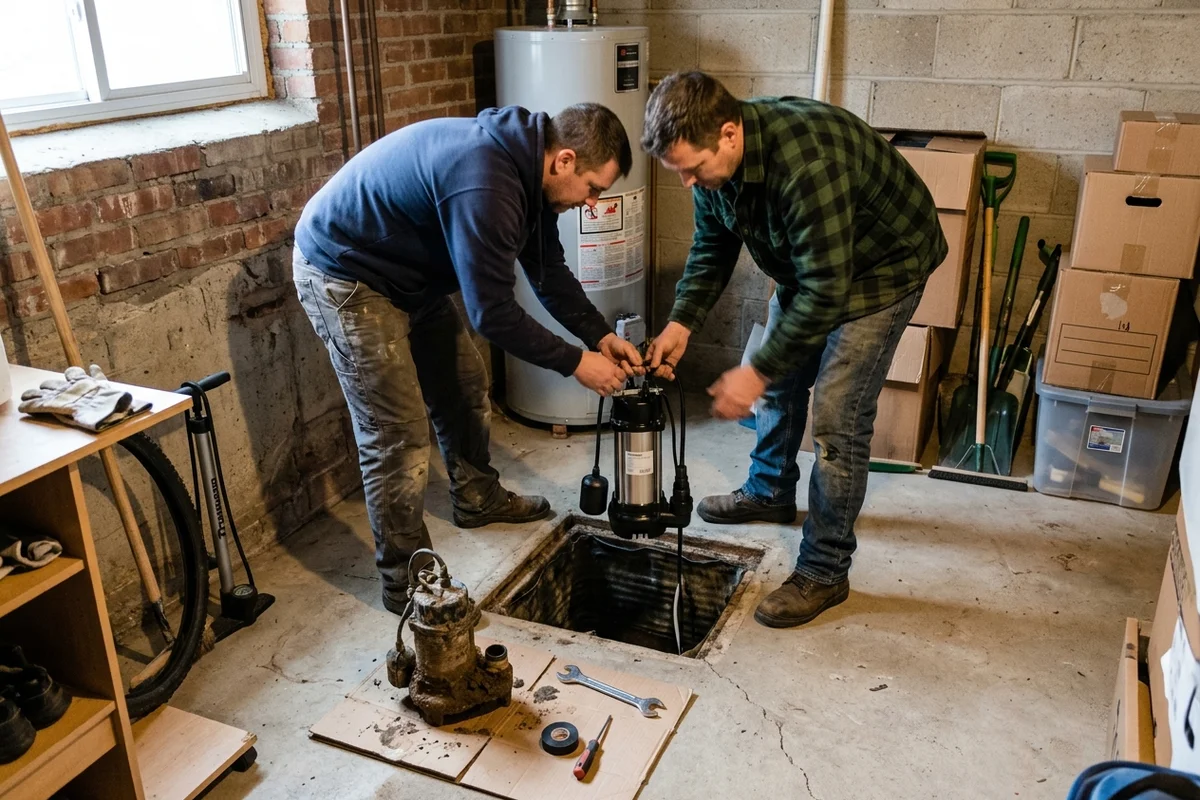
If water is also coming up through the cove joint where the floor meets the wall, you might need a different solution. Adding a sump pump system or an interior drainage channel may be a big part of the final answer.
You deserve a dry, safe basement without paying for unnecessary outdoor digging.
Our priority is helping you make the most informed decision for your property.
Contact our friendly team today to schedule your professional Foundation Crack Repair Toronto assessment.