
Serving Toronto // 90-minute dispatch; Category 3 prioritised
Basement Flood Repair Toronto: Emergency Water Extraction, Waterproofing and Sump Pump Service Across Rockcliffe-Smythe, East York and the Old City
By The Basement Flood Toronto Crew
Basement flood repair in Toronto's old city, East York and York wards means emergency extraction, sewage cleanup and permanent prevention for pre-1970 bungalows, semis and brick two-storeys on combined and surcharging sewers, where the July 8 2013 storm and the August 2018 Rockcliffe-Smythe flooding hit hardest.
From Black Creek and Mount Dennis to Leslieville and the Danforth, most calls in this part of the city start at the floor drain during a summer storm. We clean up the backup, dry the house to standard, and then close the path it came in through.
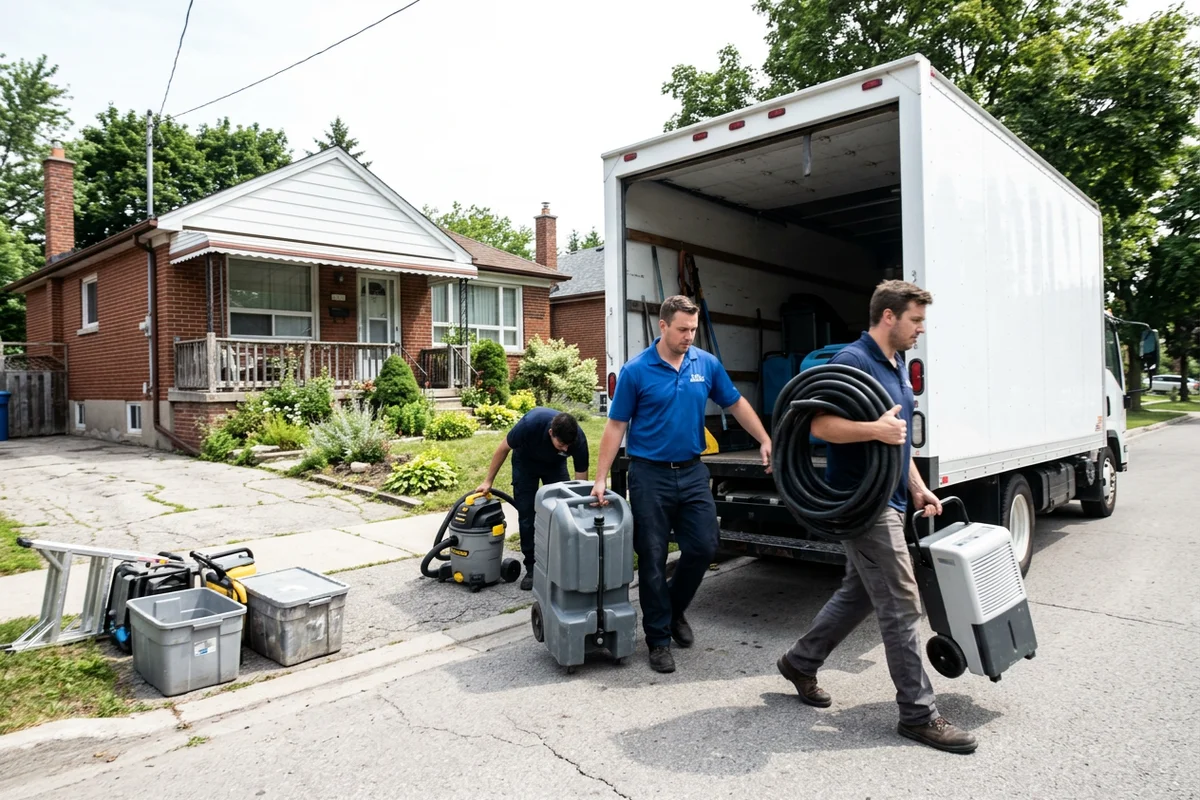
Council: City of Toronto (old city, East York and York wards)
Housing: Pre-1970 brick bungalows, semi-detached homes and two-storeys, many with original clay weeping tile and floor drains tied to combined sewers
Typical trigger: Municipal sewer surcharge in summer storms pushing sewage up floor drains; spring-thaw seepage through older foundations
Postal codes: M6N, M6M, M6P, M6R, M4C, M4J, M4G, M4K, M4M
- 18 Years of Basement Flood Response
- IICRC WRT, ASD, AMRT, CDS Certified
- 24/7 Dispatch, 90-Minute Response
- Insurance Direct-Billing
- 5-Star Customer Satisfaction
- WSIB + $5M Pollution Liability
7 Reasons Old Toronto and East York Basements Flood Every Storm Season
Sewage up the floor drain when the old-city sewer fills
What you see: A summer cloudburst hits, and within the hour grey-brown water rises out of the basement floor drain and spreads under the rec room carpet.
Why here: Much of the pre-1960 city drains through combined sewers, one pipe for sewage and stormwater. In storms like July 8 2013, when 126 mm fell at Pearson, that pipe surcharges and pushes back up the lateral to the lowest opening in the house.
What we do: Sewage backup cleanup under IICRC S500 comes first. Then a camera inspection and a mainline backwater valve, so the next surcharge stops at the lateral instead of the rec room.
- 01
Combined sewers under older streets
Much of the old city drains stormwater and sewage through the same pipe. In a heavy storm the pipe surcharges and sewage pushes back toward the lowest opening, the basement floor drain.
- 02
Floor drains tied to the sanitary lateral
Pre-1970 houses usually have a floor drain connected straight to the sanitary line with no backwater valve in between.
- 03
Clay weeping tile past its life
Original clay tile around the footing shifts, cracks and fills with silt, so groundwater sits against the wall instead of draining.
- 04
Foundation drains still feeding the sewer
Many older homes still send weeping tile water into the sanitary line, adding to the load exactly when the system is full.
- 05
Dense housing and little permeable ground
Semis and row houses on narrow lots with paved lanes leave little ground for rain to soak into, so runoff reaches the sewer fast.
- 06
Low-lying pockets near Black Creek and the Don
Streets around Black Creek, Rockcliffe-Smythe and parts of the lower Don sit low in the local watershed and see water collect first.
- 07
Freeze-thaw on older foundations
Decades of freeze-thaw cycles open cracks and parging failures that let spring meltwater through the wall and the cove joint.
July 2013, August 2018 and Why the Old City Keeps Backing Up
On July 8 2013, close to 126 mm of rain fell on parts of the city in a few hours. The storm caused about $850M in damage, much of it in basements, and thousands of homes in the old city, York and East York took sewage through their floor drains. It was the event that pushed the city to expand its Basement Flooding Protection Program, the long-term infrastructure plan that upgrades sewers street by street across flood-prone areas.
In August 2018, intense storms hit the west end again. The Rockcliffe-Smythe area, which sits in the Black Creek watershed, saw repeat sewer backups on the same blocks that had flooded before. Our crew handled 47 semi-detached homes on the Rockcliffe-Smythe blocks after that event, many of them for the second or third time. The pattern was the same in almost every house: sewage up the floor drain, carpet and lower drywall contaminated, and no backwater valve on the lateral.
The lesson from both storms is that in the old city, a basement flood in Toronto is mostly a sewer problem rather than a river problem. Toronto Water is upgrading infrastructure, but that work takes years per neighbourhood. In the meantime, the protection that works house by house is a mainline backwater valve, disconnected foundation drains and a sump pump, which is exactly what the city subsidy is designed to help pay for.
- [EVENT LOG] July 8 2013 storm: about $850M in damage, thousands of flooded basements
- [EVENT LOG] August 2018 Rockcliffe-Smythe flooding: repeat sewer backups; the crew handled 47 semi-detached homes on the Rockcliffe-Smythe blocks
The 4 Services Old-City Homeowners Book Most, Plus 8 More
We serve the old city, East York and York, from Rockcliffe-Smythe and Keelesdale to Leaside, Riverdale and Parkdale. Crews respond within 90 minutes, prioritise Category 3 sewage, and file Toronto subsidy paperwork on eligible prevention work.
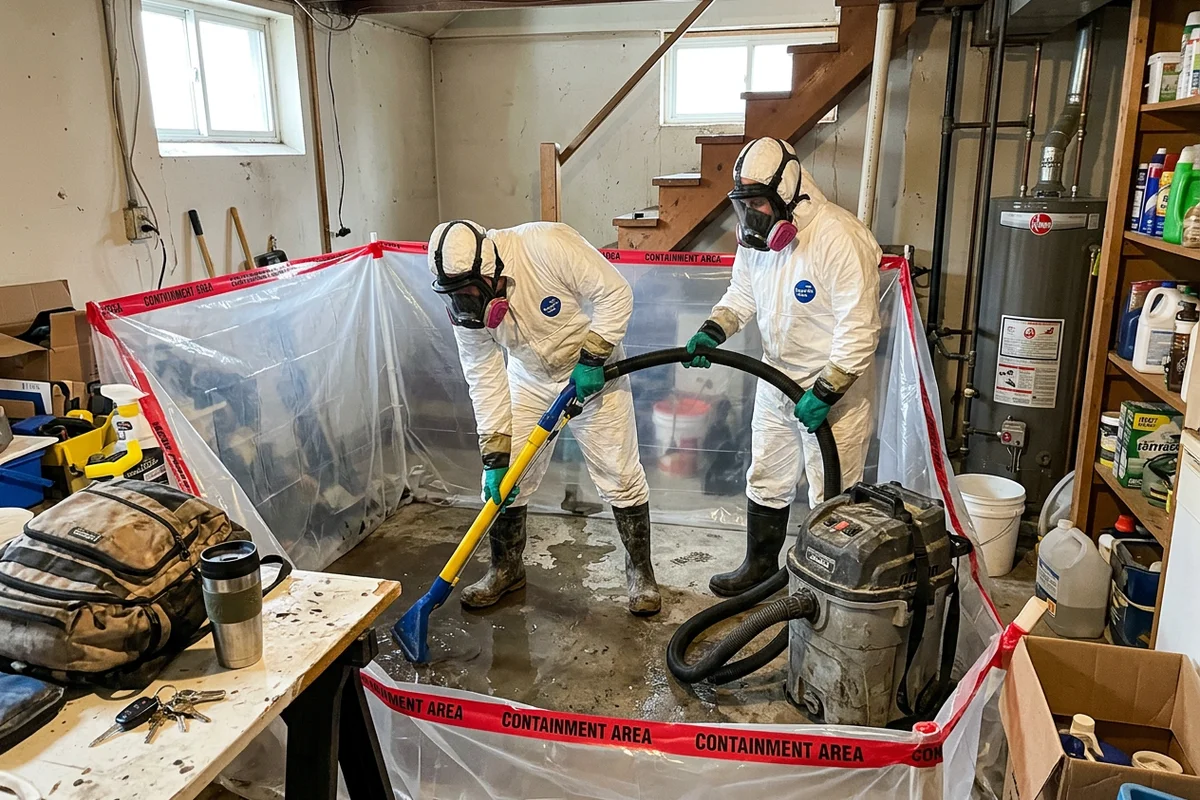 Sewage Backup Cleanup Toronto IICRC Category 3 sewage extraction, flood cuts, disinfection and air scrubbing, carried under $5M pollution liability. Cat 3 S500
 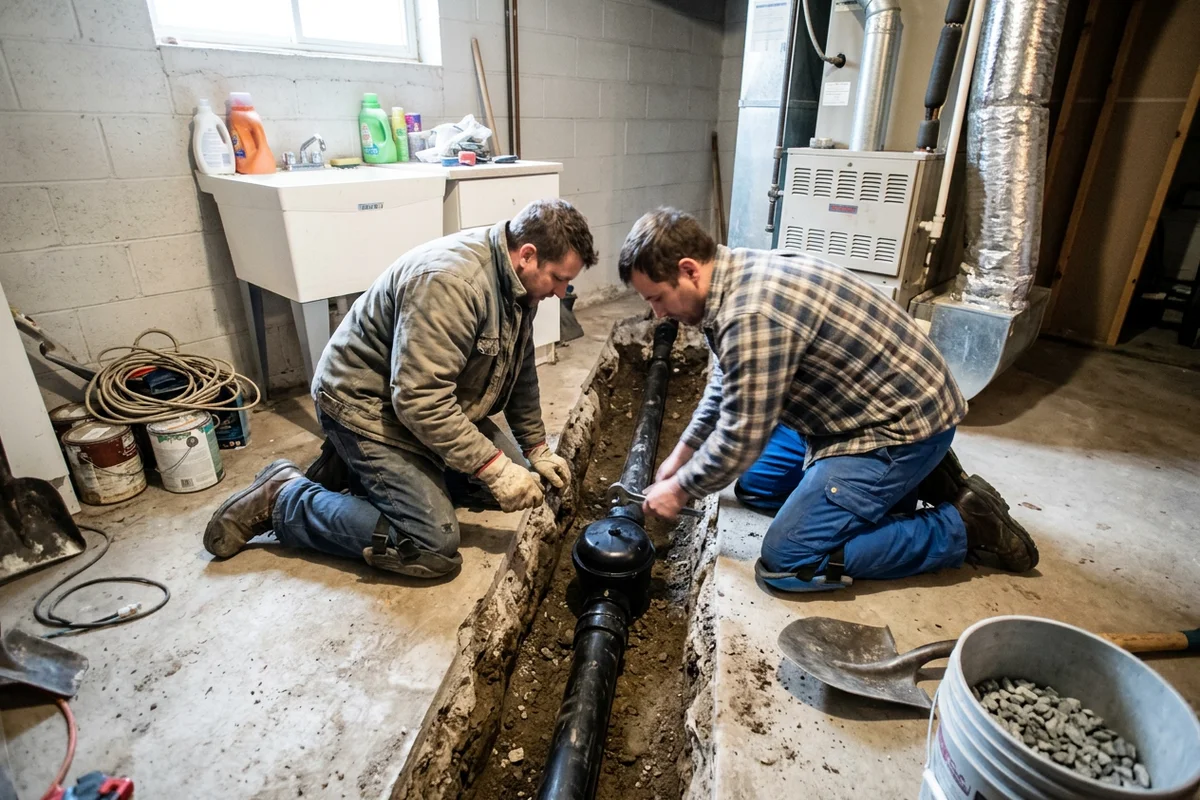 Backwater Valve Installation Toronto Normally open mainline backwater valves with CCTV inspection, City of Toronto permit and subsidy paperwork. Subsidy Ready
 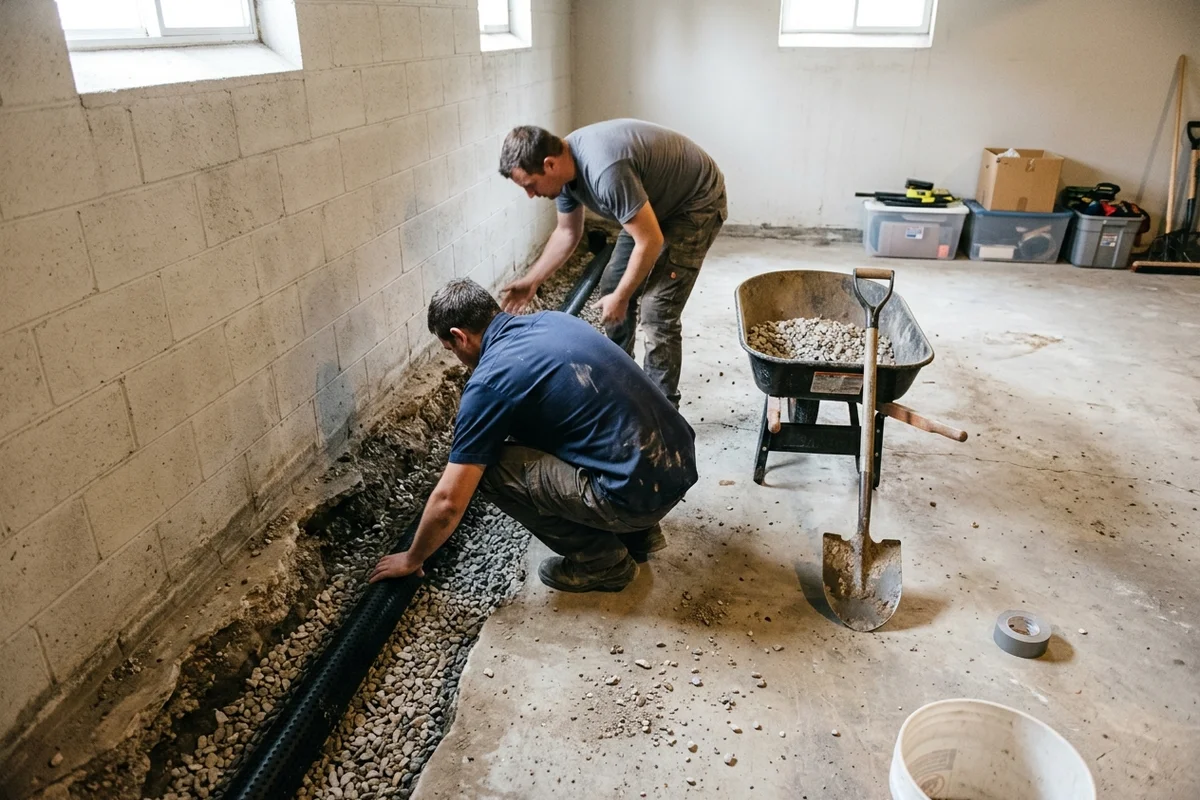 Basement Waterproofing Toronto Interior weeping tile, exterior excavation, parging and crack sealing for recurring leaks in Toronto clay soil. $3K - $25K CAD
 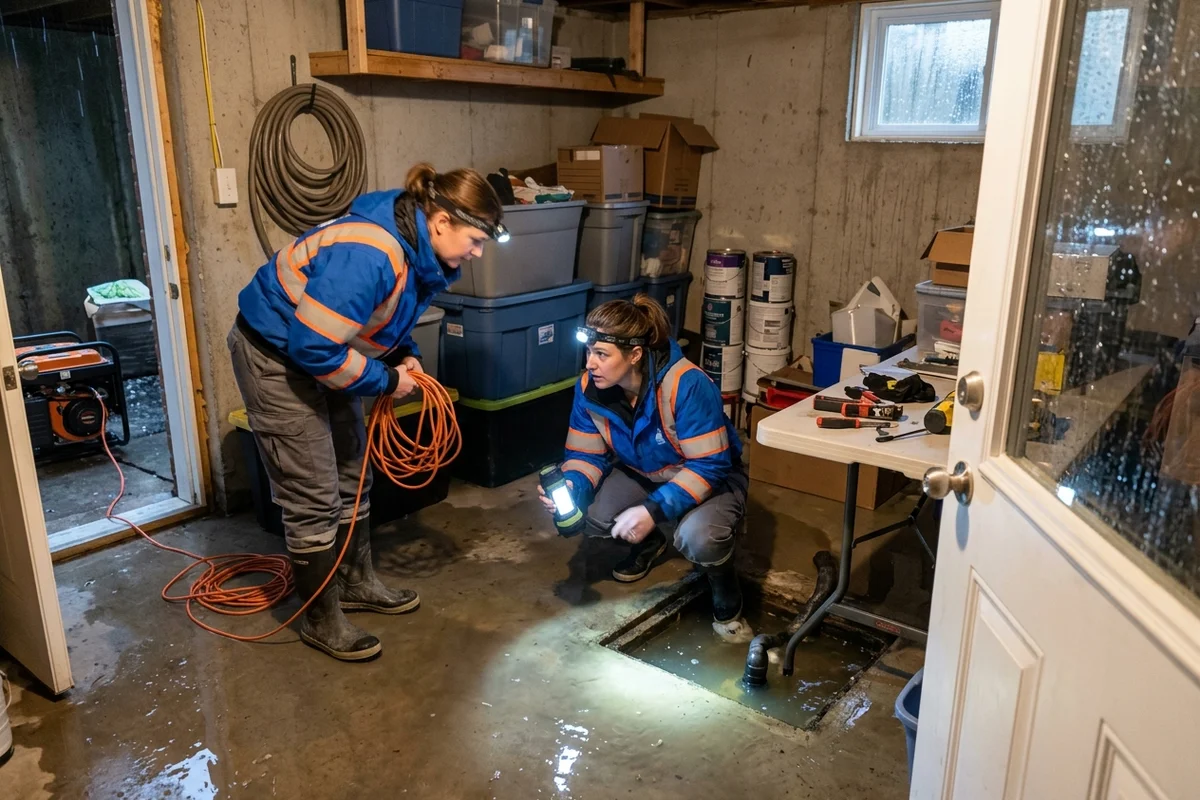 Flooded Basement Emergency Response Toronto Crisis-intent response for the first hour of a basement flood: phone triage, safety steps and a crew on the way. First 60 Mins
 Also available here
Basement Flood Repair Cost in Toronto: Emergency, Sewage and Prevention Bands in CAD
These are the same published bands we quote across the GTA. In the old city, sewage cleanup and backwater valves are the lines homeowners ask about most.
Local Scope Bands
CADToronto Subsidy Protocol: Eligible area for the Toronto Basement Flooding Protection Subsidy Program: up to $1,700 CAD for a qualifying sump pump and up to $1,700 CAD for a qualifying backwater valve, up to $3,400 per property. We confirm eligibility and file the paperwork; the award is decided by the city after inspection.
Every quote itemises emergency fee, extraction, drying, cleanup, and permanent solution separately. Dispatch fee waived on same-visit extraction. Insurance direct-billing available on covered claims, subject to policy limits and adjuster approval.
See All 4 CAD Scope BandsHow a Flood Call Runs, From Dispatch to Warranty in 5 Steps
- STEP 01
Call, postal code, water source
Tell dispatch your postal code, where the water came from and roughly how much floor is wet. The emergency fee is quoted before a truck leaves, inside the 90-minute window.
- STEP 02
On-site IICRC S500 assessment
Water category (1 clean, 2 grey, 3 black), moisture readings on drywall, subfloor and framing, and a photo log for your adjuster from the first hour.
- STEP 03
Written CAD scope
Extraction plan, drying schedule, cleanup protocol and a line-by-line CAD breakdown, with insurance-covered and out-of-pocket items kept seperate.
- STEP 04
Extraction, drying, cleanup
Truck-mount extraction, air movers and dehumidifiers sized per IICRC ASD, daily moisture readings logged, antimicrobial on Category 2 and 3 losses.
- STEP 05
Fix the cause, close the file
Final readings verified, photo package to the adjuster, and a plain recommendation on the valve, pump or waterproofing that stops the next flood. Warranty in writing.
Sewage on the Floor Tonight? Get a Written Scope First
The emergency fee is quoted before a truck leaves and waived on same-visit extraction. Every scope closes with a 1 to 5 year workmanship warranty in writing, and covered claims are billed directly to your insurer, subject to your policy limits and adjuster approval.
Why East York and West-End Toronto Homeowners Call Us
- 18 Years of Basement Flood Response Experience across Toronto and the GTA, including the old city, East York and York
- Crew handled 47 semi-detached homes on the Rockcliffe-Smythe blocks after the August 2018 event
- Category 3 sewage prioritised within the 90-minute dispatch window
- Registered Toronto Basement Flooding Protection Subsidy installer, paperwork filed for you
- Camera inspection before every backwater valve, permit and city inspection handled
- Insurance direct-billing with Aviva, Intact, Definity, Wawanesa, Economical, TD and Belair, subject to your policy limits and adjuster approval
3 Local Homeowners on Their Basement Flood Repair
"After the second backup on our block we had the valve put in. Camera, permit, install and city inspection, $4,100, and the subsidy paperwork was filed the same week."
"Spring seepage along the back wall every year. Interior weeping tile to a new pit was $6,300 and it came through this April dry."
"Sewage through the floor drain in a July storm. Category 3 cleanup and drying came to $8,200 and Intact was billed directly after the S500 package."
Neighbourhoods and Postal Codes We Cover
Postal codes we cover: M6N, M6M, M6P, M6R, M4C, M4J, M4G, M4K, M4M
Getting Across the Old City When the DVP Floods
Our trucks run out of Toronto, so the old city is home ground. For west-end calls in Keelesdale, Mount Dennis, Black Creek and Weston we typically come in along Eglinton Avenue West and Black Creek Drive, which also keeps us close to the Humber River crossings at Scarlett Road. East-end calls in Leslieville, Riverdale, the Danforth and East York are reached via the Don Valley Parkway and Coxwell Avenue, with Leaside a short run up Bayview.
During major storms the DVP and parts of the Don Valley can close, and underpasses on the west side can flood. Dispatch plans routes around known trouble spots and gives you an honest arrival estimate rather than a hopeful one. Category 3 sewage calls are prioritised within the 90-minute window, and every truck carries pumps and a generator for outages.
On narrow streets and lanes common in Riverdale, Parkdale and around High Park, we park so hoses reach the side door without blocking neighbours, and we bring portable extraction for basement units that trucks cannot reach directly.
Pre-1970 Bungalows, Semis and Brick Two-Storeys: What We Find Below Grade
The housing in this part of the city is mostly pre-1970 brick: storey-and-a-half bungalows in East York, semi-detached rows in Rockcliffe-Smythe, Keelesdale and the Danforth, and older two-storeys in Riverdale, Leslieville, High Park and Parkdale. Below grade they share a few traits we plan for on every job:
- Pre-1970 clay weeping tile that has cracked or silted up, so the cove joint leaks every spring
- Floor drains tied directly to the sanitary lateral, often cast iron or clay, with no backwater valve
- Foundation drains and downspouts still connected to the sewer, which Municipal Code Chapter 681 now requires most homes to disconnect
- Shared walls and shared laterals on semis, where one neighbour's backup can affect the next house and the documentation needs to be clear about which side the water came from
- Low ceilings and finished basements converted to rec rooms or rental units, which raise the cost of tear-out and rebuild
In low-lying areas near watercourses, the TRCA regulates some work close to valleys and floodplains. We check before any exterior excavation.
8 Basement Flood Questions From Toronto Homeowners
Why does Rockcliffe-Smythe flood so often?
Rockcliffe-Smythe sits in the Black Creek and Lavender Creek floodplain, one of 10 Special Policy Areas in the Official Plan, and much of it is served by older sewers that surcharge in intense storms. When the system fills, sewage pushes back up laterals into floor drains. A mainline backwater valve, foundation drain disconnection and a sump pump are the house-by-house protection that works now. Eligible Rockcliffe properties can also apply for the city's Rockcliffe No Fault Grant, up to $7,500 per storm event for damage insurance did not cover.
Is my East York home eligible for the Toronto subsidy?
Yes, East York is part of the City of Toronto, so qualifying installations can receive up to $1,700 CAD for a sump pump and up to $1,700 CAD for a backwater valve, up to $3,400 per property. The work needs a permit and a city inspection. We confirm eligibility for your specific property, file the paperwork and book the inspection. The award is decided by the city.
How fast can you reach the old city during a storm?
Our dispatch window is 90 minutes, and the old city is where our trucks are based. On nights like July 16 2024, when the Don River flooded and closed the DVP in both directions, dispatch routes around the closures and gives you an honest arrival estimate. Category 3 sewage is prioritised.
Do older Toronto homes need a backwater valve?
Most pre-1970 homes on combined or surcharging sewers benefit from one, especially if the house has backed up before. A normally open mainline valve on the sanitary lateral closes when the city sewer surcharges. We camera the line first to confirm location and pipe condition.
What do sewage cleanup and a backwater valve cost in the old city?
Emergency dispatch is $250-$500 CAD, waived on same-visit extraction. Sewage cleanup under IICRC S500 is $2,000-$10,000 CAD, drying $1,500-$5,000 CAD. Prevention is a backwater valve at $2,500-$5,000 CAD and a sump pump at $1,200-$2,500 CAD, each eligible for up to $1,700 CAD in subsidy on qualifying installations.
Do you handle semi-detached homes with shared drains?
Yes, often. On semis we document which side the water entered from, check whether the lateral is shared, and coordinate with the neighbour where needed. Clear documentation keeps each household's claim separate.
Should I report a sewer backup to the city?
Yes. Call 311 Toronto to report it so Toronto Water can check the municipal sewer. The city does not clean private basements, so book cleanup at the same time.
Do I have to disconnect my downspouts?
Most homes are required to under Municipal Code Chapter 681, unless the city grants an exemption. Disconnecting downspouts takes roof water out of the sewer during storms and is a low-cost step to pair with a backwater valve.
Nearby Service Areas Within the Same 90-Minute Window
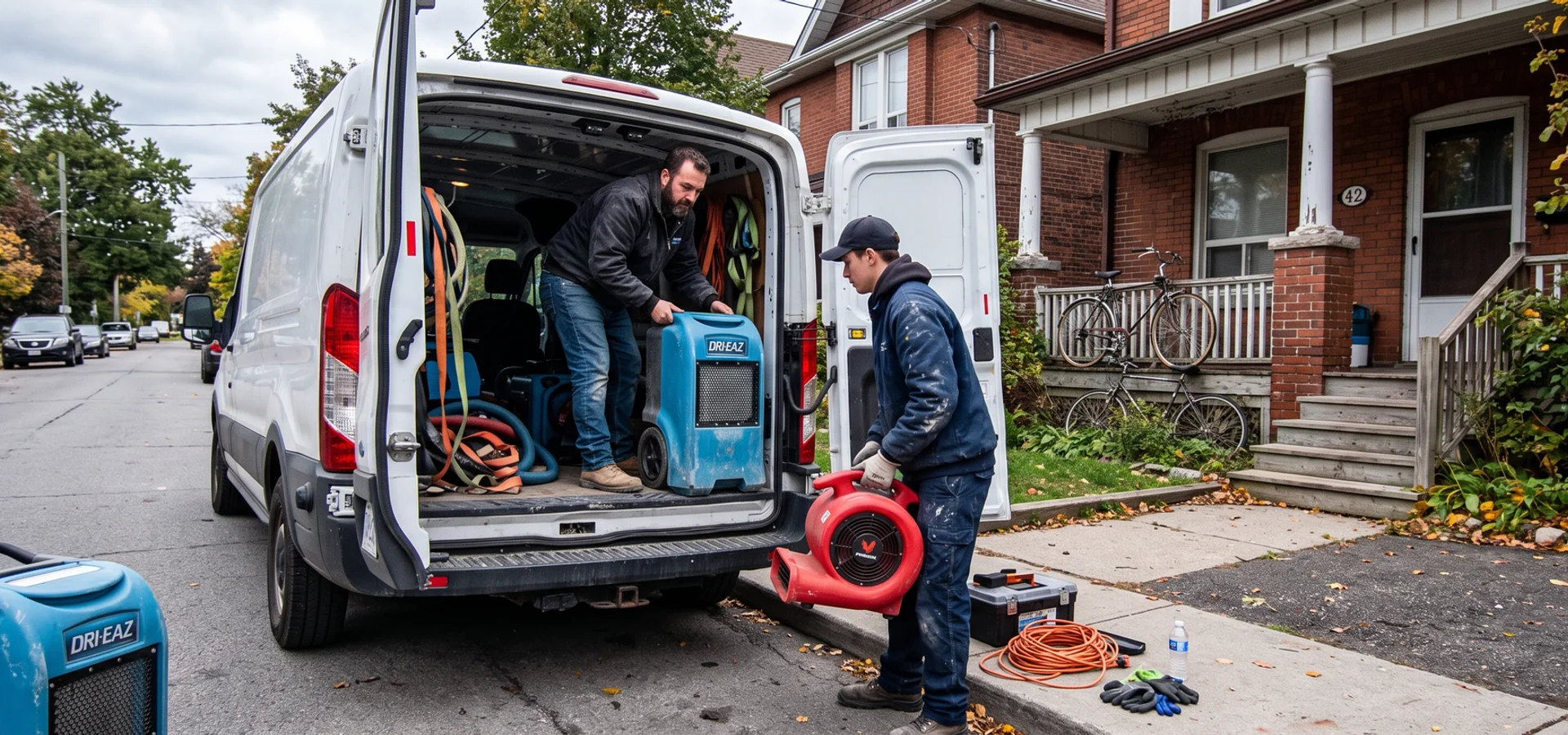
Dispatch desk open 24/7 across the GTA
Water in a Toronto Basement Right Now? Call for Dispatch
Give dispatch your postal code and the water source. You hear the emergency fee before a truck leaves and get a written CAD scope before any equipment goes down.
- Emergency fee quoted upfront
- Written CAD scope first
- 1-5 year written warranty
Short Dispatch Intake
DISPATCH ACTIVERequest logged
The dispatch desk will call you back shortly. For water coming in right now, call (416) 555-0100.
Four fields and the dispatch desk calls you back. Your page is attached so we know which service you were reading about.
Need something non-urgent? Send a Message to our GTA coordination desk.